Source Handcrafted Natural Beef Tallow Soap for Skin Care
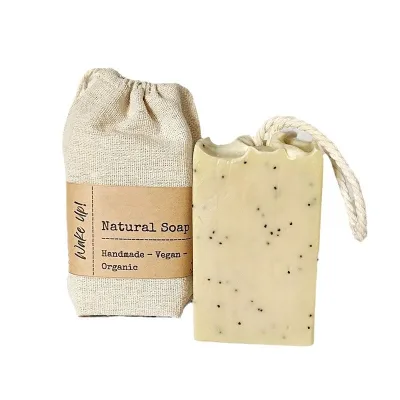
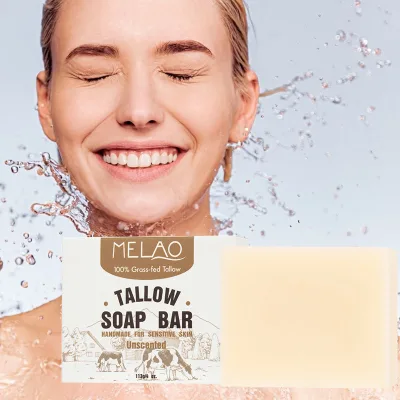
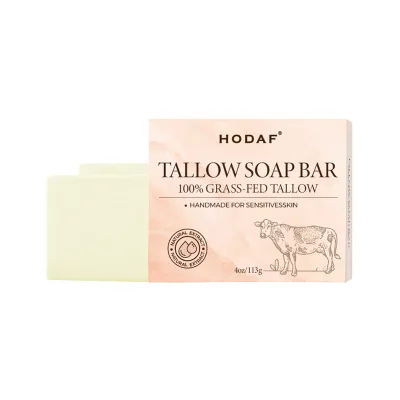
Compare 30 listings of handcrafted natural beef tallow soap from verified Chinese suppliers. Buyers can evaluate options based on shape, scent, and customization features for facial care and hand moisturizing applications; compare the available evidence and request quotations based on your requirements.
Key considerations
Products List




Comprehensive Sourcing Guide
Handcrafted Natural Beef Tallow Soap Sourcing Guide
Sourcing handcrafted natural beef tallow soap requires a nuanced understanding of traditional formulation methods and modern supply chain expectations. Buyers must distinguish between genuine artisanal production and mass-manufactured items that merely use the terminology for marketing appeal. The core appeal of tallow-based products lies in their historical efficacy and skin-compatible lipid profile, which closely mirrors human sebum. This characteristic makes them particularly suitable for individuals seeking gentle, non-stripping cleansers. However, verifying the authenticity of the fat source and the saponification process is critical to ensuring product integrity. Procurement teams should prioritize suppliers who provide transparent details about their rendering processes and ingredient sourcing, as these factors directly influence the final texture, lather quality, and shelf stability of the soap.
The market for natural soaps is diverse, ranging from small-batch artisanal producers to large-scale manufacturers offering private label services. Buyers often encounter a wide array of claims regarding "natural" and "handcrafted" status, which can be misleading without proper verification. It is essential to establish clear definitions of what constitutes "handcrafted" within the context of the specific supplier’s operations. Some manufacturers may use hand-finishing techniques on mechanically produced bars, while others may engage in fully manual creation. Understanding this distinction helps in aligning procurement goals with production capabilities. Furthermore, buyers should consider the scalability of the supplier’s operations, ensuring that the chosen partner can meet volume requirements without compromising the artisanal quality that defines the product category.
Product Scope and Observed Listing Signals
The observed product landscape reveals a significant variation in attributes, indicating a broad market segment rather than a uniform category. Listings frequently highlight features such as herbal ingredients, fruit scents, and floral aromas, suggesting that buyers have access to customized formulations beyond plain tallow. The presence of attributes like "Weak-Acid" and "Alkalescence" points to a focus on pH balance, a critical factor for skin health. Additionally, the observation of both "Round" and "Rectangle" shapes, along with "Transparent" and "Not Transparent" finishes, demonstrates the aesthetic flexibility available to purchasers. These signals indicate that suppliers are catering to diverse consumer preferences, allowing for significant differentiation in the final product offering.
Commercial signals also vary widely, with observed minimum order quantities (MOQs) ranging from as low as one unit to over 130,000 pieces. This disparity suggests that the market accommodates both small-scale experimental buyers and large-volume corporate clients. Price points observed in the range of $0.01 to $3.28 USD further reflect this diversity, likely correlating with ingredient quality, packaging complexity, and order volume. The availability of customization options, including private labeling and specific packaging requirements, is a common theme. Buyers should interpret these signals as evidence of a mature supply chain capable of supporting various business models, from direct-to-consumer brands to wholesale distribution networks.
Technical Specifications to Verify
Verifying the technical specifications of beef tallow soap is paramount to ensuring product consistency and performance. Buyers should request detailed information regarding the saponification value and the specific ratio of tallow to other oils or additives. The presence of glycerine, often listed as a main ingredient, is a positive indicator of a true saponification process, as glycerine is a natural byproduct that retains moisture. However, buyers must confirm whether the glycerine is retained or extracted, as this significantly impacts the soap’s moisturizing properties. Additionally, the texture, described as "Cream" or "Wax" in some listings, should be evaluated for stability and consistency across batches. Understanding these technical details helps in predicting the soap’s lather, cleansing power, and shelf life.
Packaging and physical attributes also require careful verification. Listings mention various packaging formats, including carton boxes, transparent film, and private custom packaging. Buyers should assess the suitability of these packaging options for their distribution channels, considering factors such as protection during transit and shelf appeal. The weight of the soap, often standardized at 100g or 120g, should be confirmed to ensure compliance with labeling regulations and consumer expectations. Furthermore, the validity period of three years, as noted in some observations, provides a baseline for inventory management. Buyers should verify if this shelf life is consistent across all product variants and if storage conditions are specified to maintain product integrity over time.
Compliance and Safety Documentation
Compliance and safety documentation are non-negotiable elements in the procurement of personal care products. Buyers must ensure that suppliers provide relevant certifications, such as MSDS (Material Safety Data Sheet), which details the chemical composition and handling instructions. The presence of CE marking in some listings suggests adherence to European safety standards, which may be relevant for buyers targeting international markets. However, buyers should verify the specific scope of these certifications and ensure they cover the final product rather than just raw materials. Additionally, testing standards like En71, typically associated with toy safety, may appear in listings, indicating a broad compliance framework. Buyers should clarify which standards apply to cosmetic products and request evidence of compliance with local regulatory requirements in their target markets.
Transparency in ingredient sourcing is another critical aspect of safety documentation. Buyers should request full ingredient lists, including any potential allergens or irritants, to ensure compliance with labeling laws. The claim of "Non-Medicated" status should be verified to avoid unintended regulatory classifications as drugs or cosmetics with therapeutic claims. Furthermore, buyers should inquire about the supplier’s quality control processes, including batch testing and traceability measures. Documentation should also cover any third-party testing results for microbiological safety and heavy metal content. By rigorously reviewing these documents, buyers can mitigate risks associated with product liability and ensure that the soap meets all legal and safety standards in their respective jurisdictions.
Cost Drivers and Commercial Terms
Understanding the cost drivers associated with handcrafted natural beef tallow soap is essential for accurate budgeting and pricing strategies. Key factors influencing cost include the quality and source of the tallow, the complexity of the formulation, and the level of customization required. Premium ingredients, such as organic herbs or essential oils for scenting, will increase the base cost. Similarly, custom packaging solutions, including private labeling and unique shapes, add to the manufacturing expense. Buyers should also consider the impact of order volume on unit pricing, as larger orders often benefit from economies of scale. The observed MOQ range suggests that flexibility in order size can be leveraged to optimize costs, allowing buyers to start small and scale up as demand grows.
Commercial terms, such as EXW, FOB, CIF, CFR, DDA, and DDP, offer various levels of responsibility and risk allocation between buyer and supplier. Buyers should carefully evaluate these terms based on their logistics capabilities and risk tolerance. For instance, EXW places minimal responsibility on the supplier, requiring the buyer to arrange transportation and handle customs clearance. In contrast, DDP terms offer a more convenient solution by including delivery to the buyer’s doorstep. Understanding these terms helps in calculating the total landed cost of the product. Additionally, buyers should negotiate payment terms and lead times to ensure alignment with their supply chain needs. Clear communication regarding commercial terms can prevent unexpected costs and delays, ensuring a smooth procurement process.
Supplier Qualification and Quality Control
Supplier qualification is a critical step in ensuring the reliability and consistency of handcrafted natural beef tallow soap supplies. Buyers should conduct thorough due diligence on potential suppliers, assessing their production capabilities, quality control systems, and business stability. Visiting manufacturing facilities, if possible, can provide valuable insights into the actual production processes and hygiene standards. Buyers should also request references from existing clients to gauge the supplier’s performance and reliability. Additionally, verifying the supplier’s experience in exporting to the buyer’s target market can help identify potential logistical or regulatory challenges. A qualified supplier should demonstrate a commitment to quality and transparency, providing detailed information about their operations and product formulations.
Quality control measures should be clearly defined and agreed upon before placing orders. Buyers should establish specific quality standards, including parameters for weight, dimensions, scent intensity, and lather quality. Regular inspections, either through third-party agencies or internal teams, can help ensure that products meet these standards. Buyers should also implement a robust sampling process, requesting pre-production samples for approval before mass production begins. Feedback loops should be established to address any quality issues promptly. Furthermore, buyers should monitor the supplier’s response to complaints and their ability to implement corrective actions. By maintaining strict quality control protocols, buyers can minimize the risk of receiving substandard products and protect their brand reputation.
Long-Term Procurement Checks
Long-term procurement checks are essential for maintaining a sustainable and efficient supply chain for handcrafted natural beef tallow soap. Buyers should regularly review supplier performance metrics, including on-time delivery rates, product quality consistency, and responsiveness to issues. Continuous monitoring helps identify potential problems early, allowing for proactive mitigation strategies. Buyers should also stay informed about changes in regulatory requirements and market trends that may impact product formulation or labeling. Engaging in periodic business reviews with suppliers can foster stronger relationships and ensure alignment on strategic goals. Additionally, buyers should evaluate the supplier’s ability to innovate and adapt to changing consumer preferences, such as new scent profiles or packaging designs.
Sustainability and ethical sourcing practices are increasingly important considerations for long-term procurement. Buyers should assess the supplier’s commitment to ethical labor practices and environmental responsibility. This includes verifying the sourcing of raw materials, such as tallow and herbs, to ensure they are obtained sustainably and ethically. Buyers should also consider the environmental impact of packaging materials and logistics operations. By prioritizing suppliers with strong sustainability credentials, buyers can enhance their brand image and meet the growing consumer demand for responsible products. Regular audits and certifications can provide assurance that the supplier adheres to these standards. Ultimately, a focus on long-term checks and sustainability helps build a resilient and reputable supply chain.
FAQs
What are the main ingredients in this handcrafted natural beef tallow soap?
The primary ingredient is beef tallow, often combined with herbal extracts and glycerine for moisturizing benefits. The formulation is designed to be non-medicated and suitable for all skin types. It typically features a creamy texture and may include fruit or floral scents. The soap is solid and opaque, providing a gentle cleansing experience without harsh chemicals or drying effects.
Can I customize the packaging and scent for bulk orders?
Yes, customization is available for bulk orders. You can choose from various packaging options, including carton boxes or individual transparent film wrapping. Scent preferences such as fruit or floral notes can be selected. The manufacturer supports OEM and ODM services, allowing you to tailor the product appearance and branding to meet your specific market requirements and customer expectations.
What certifications and standards does the soap meet?
The product meets specific safety and quality standards, including CE certification and MSDS documentation. It is tested against EN71 standards for safety compliance. The manufacturing process adheres to customized production standards, ensuring consistent quality. These certifications verify that the soap is safe for use and meets international regulatory requirements for personal care products, providing assurance for B2B buyers.
What is the typical shelf life and storage requirement?
The soap has a validity period of three years when stored properly. It should be kept in a cool, dry place to maintain its integrity. The solid form and herbal ingredients help preserve the product over time. Proper storage ensures that the moisturizing properties and scent remain effective throughout the shelf life, allowing for flexible inventory management and distribution planning for buyers.
What are the MOQ and trade terms for ordering?
The minimum order quantity varies, with some listings starting at 1000 pieces, while others may allow lower MOQs. Trade terms include EXW, FOB, CIF, CFR, DDA, and DDP, offering flexibility for international shipping. These terms define the responsibilities of the buyer and seller regarding costs and risks. Buyers should confirm specific MOQs and trade terms with the supplier to align with their logistics and budget constraints.
Is the soap suitable for sensitive or all skin types?
Yes, the soap is formulated for all skin types, including sensitive skin. It is non-medicated and designed to be gentle, avoiding harsh detergents. The inclusion of glycerine and herbal ingredients helps maintain skin hydration. The pH-balanced formula ensures it does not dry out the skin, making it a versatile choice for personal care routines and suitable for a wide range of consumer demographics.